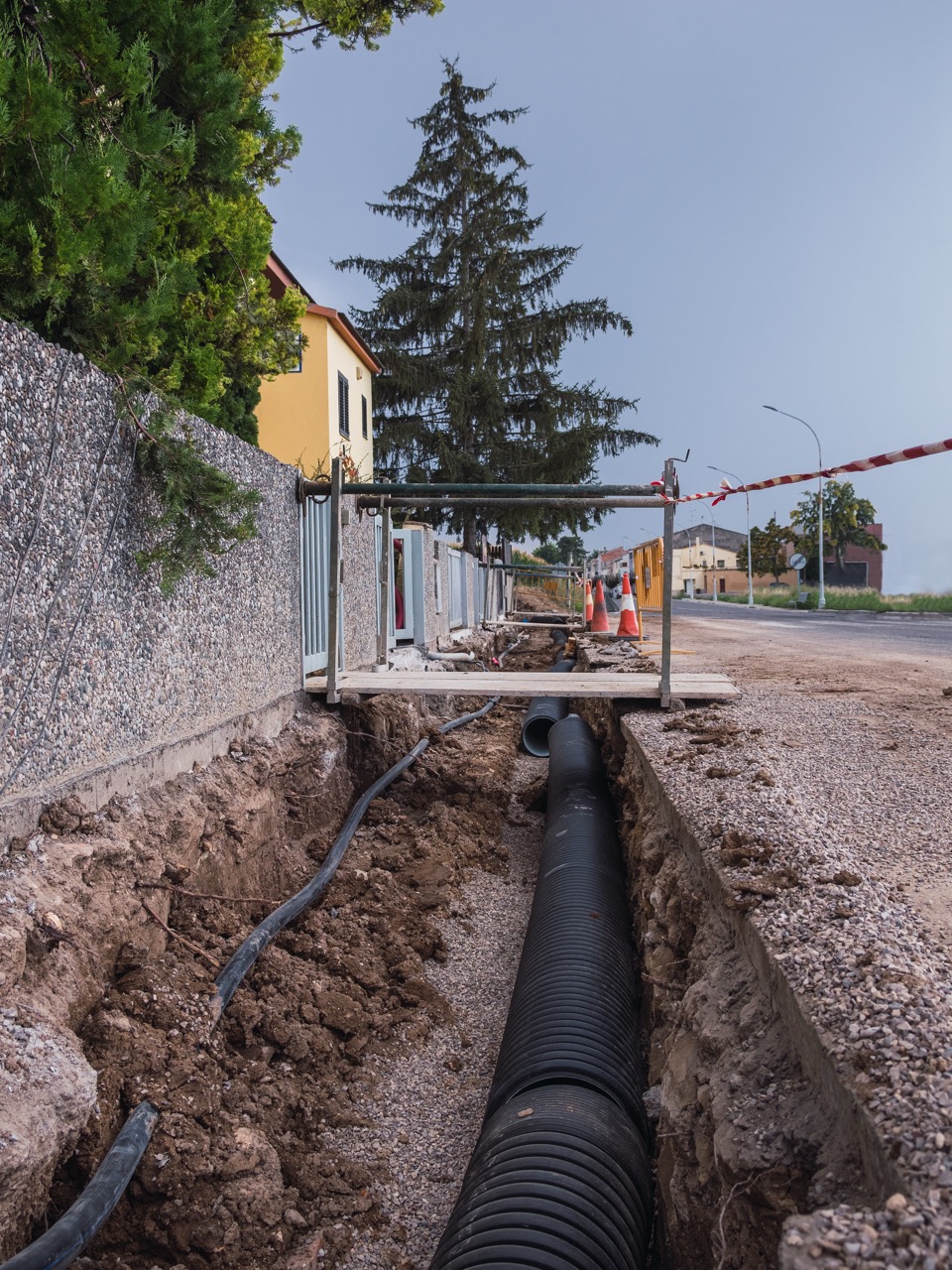
Septic System Installation and Repair for Residential and Commercial Properties Across Middle Tennessee
Licensed septic work from new installations on raw land to failed system repair and replacement, for residential properties, commercial sites, and any job where the septic is one piece of a larger site work scope we’re already handling.
New Home Builds on Raw Land
- Properties with no existing septic that need a system designed, permitted, and installed before the house goes up
- Septic coordinated with clearing, grading, building pad, and driveway as part of a single site work contract
- Homeowners who want one contractor handling the full project instead of hiring a separate septic installer
Commercial and Development Septic
- Septic systems for commercial buildings, multi-unit residential, and subdivision lots
- Installations that need to meet engineering specs and pass health department inspection
- Large-capacity systems sized for commercial use and higher daily flow
Septic for Additions and Outbuildings on Existing Properties
- New septic installations on established properties adding guest houses, shops, or secondary structures
- Properties where a new system is required because the existing one can’t support additional construction
- Installations coordinated with grading, driveway work, or other site improvements already in progress
Failed or Failing Septic Systems
- Systems that are backing up, surfacing, or no longer draining properly and need to be excavated and repaired
- Full system replacements where the existing tank, lines, or drain field have reached the end of their life
- Drain field failures that require new field installation in a different location on the property
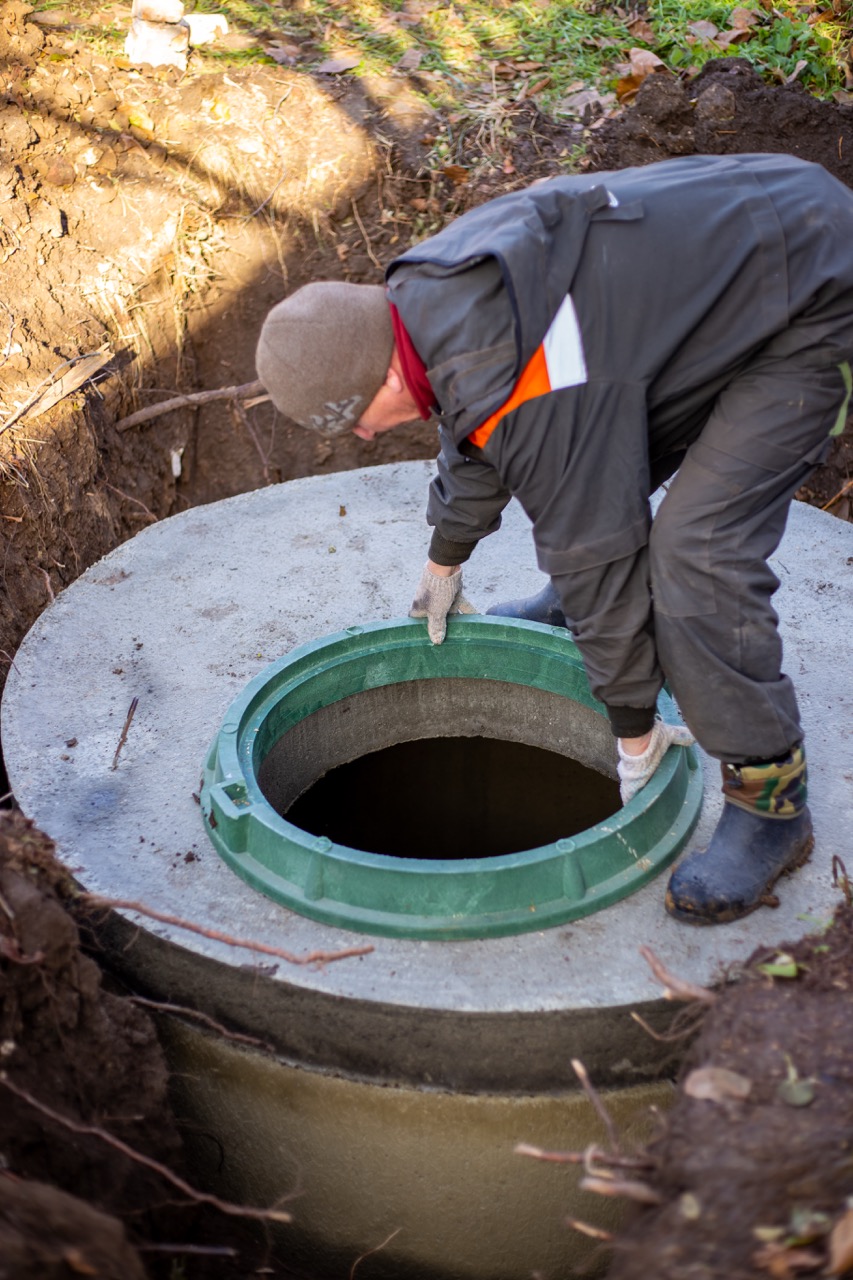
Septic Work on Middle Tennessee Soil
The clay and rock conditions across Humphreys, Dickson, and Hickman counties directly affect how a septic system performs and how long it lasts.
- Clay compositions change within a single property, which means soil testing and system design have to account for what’s actually in the ground, not what the surface looks like
- Rock at shallow depth limits where a system can go and how it’s excavated
- Poor natural drainage in clay-heavy soil makes system type and field placement critical to long-term function
What Septic System Installation and Repair Covers
Site Evaluation and System Layout
Evaluating soil conditions, slope, drainage, and setback requirements to determine system placement and type.
System Excavation
Excavating the tank site, distribution lines, and drain field to the depth and dimensions the system design requires.
Conventional System Installation
Installing gravity-fed tank and drain field systems where soil conditions and site layout allow standard design.
Engineered System Installation
Installing pressure-dosed, mound, or other engineered systems on sites where soil, slope, or space require a non-standard design.
Septic Repair and Replacement
Excavating failed tanks, lines, or drain fields and replacing them with new components or a fully redesigned system.
Backfill, Final Grade, and Site Restoration
Backfilling around the installed system, grading the surface for drainage, and restoring the work area to finished condition.
Why Proper Septic Work Matters for Your Property
A septic system handles every gallon of wastewater your home or building produces, every day, for decades. Install it right the first time and the system does its job without becoming one.
- A system installed in the wrong soil or the wrong location fails early. Drain fields that can’t percolate back up, saturate the surface, and require full replacement.
- Excavation done without regard for depth and grade creates pooling and flow problems. Wastewater that doesn’t move through the system correctly overloads the field and shortens its life.
- A system that isn’t backfilled and graded properly settles, shifts, and exposes components. Settling over the tank or lines creates low spots that collect water and accelerate failure.