Building Pad Construction for Residential and Commercial Properties Across Middle Tennessee
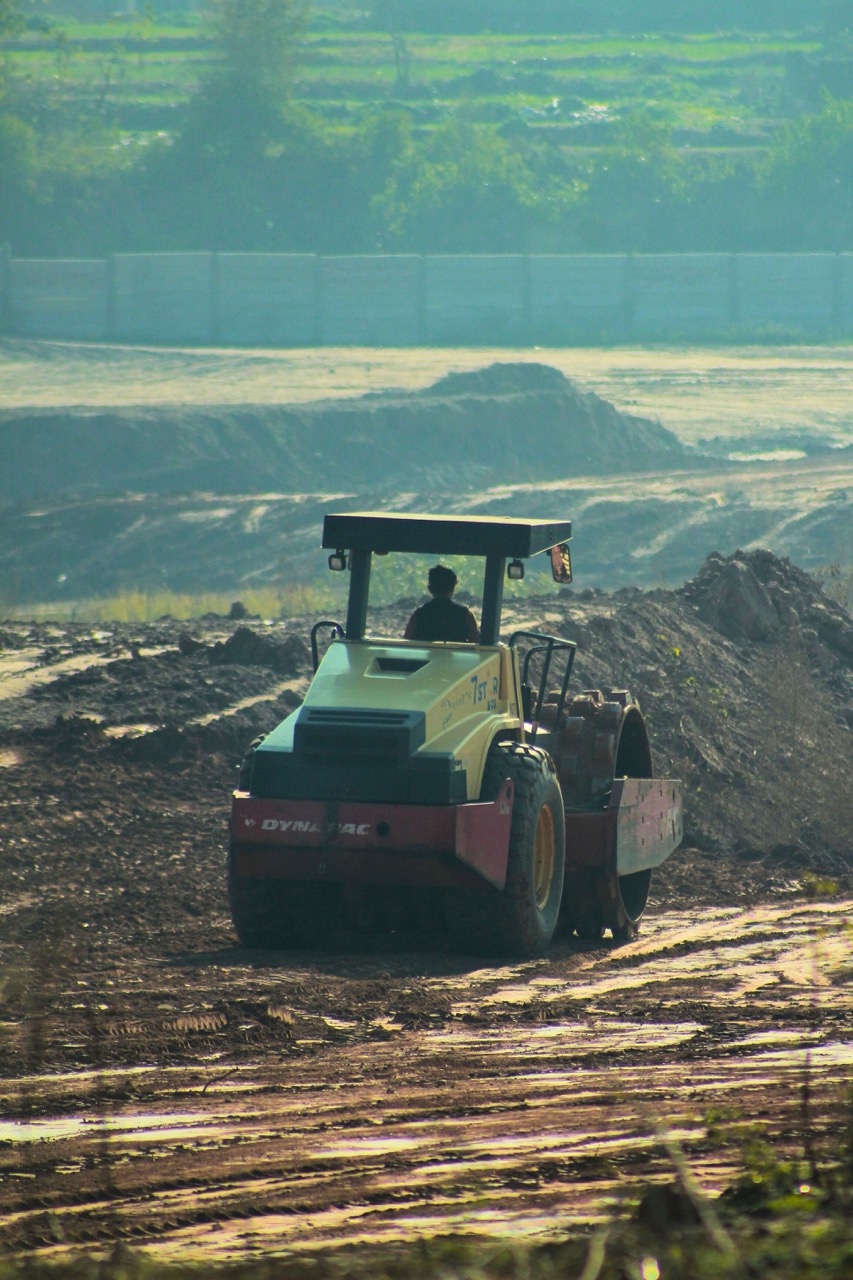
Pad grading for residential homes on raw land, commercial structures, and multi-lot subdivisions, built level, compacted with padfoot and smooth drum rollers, and graded to your foundation specs so the structure sits on ground that holds.
Raw Land Residential Building Pads
- Homeowners building on ungraded acreage who need a level, compacted pad before the foundation crew arrives
- Properties with slope, fill requirements, or soil conditions that demand heavy equipment and proper compaction
- Pad construction coordinated with clearing, driveway, septic, and drainage as part of a full site work package
Commercial and Subdivision Building Pads
- Pad-ready grading for commercial buildings, retail, light industrial, and warehouse sites
- Multi-lot subdivision pads graded to engineering specs and inspection standards
- Large-scale cut and fill operations on sites with significant elevation changes
Corrective Pad Work
- Properties where the original pad was graded without proper compaction and the structure has settled
- Sites that need regrading and recompaction before additions, outbuildings, or new construction
- Pad failures from previous contractors who skipped compaction or used undersized equipment
Builder and GC Subcontracted Pad Work
- Building pad grading subcontracted by builders and general contractors on residential and commercial jobs
- Pads delivered to your foundation specs, on your timeline, coordinated with your pour schedule
- Insurance, bonding, and documentation available for pre-qualification
Building Pads Engineered for Middle Tennessee Soil Conditions
The highland rim geology across Humphreys, Dickson, and Hickman counties makes pad work unpredictable if you don’t know the ground.
- Clay over limestone with pockets of rock that don’t show on the surface
- Fill that looks level on top but was never compacted underneath
- Soil that shifts with every wet season if the pad wasn’t built to handle it
What Building Pad Construction Covers
Cut and Fill to Foundation Grade
Cutting high ground, filling low areas, and establishing a level pad at the elevation and grade your foundation plan requires.
Compaction of Fill Material
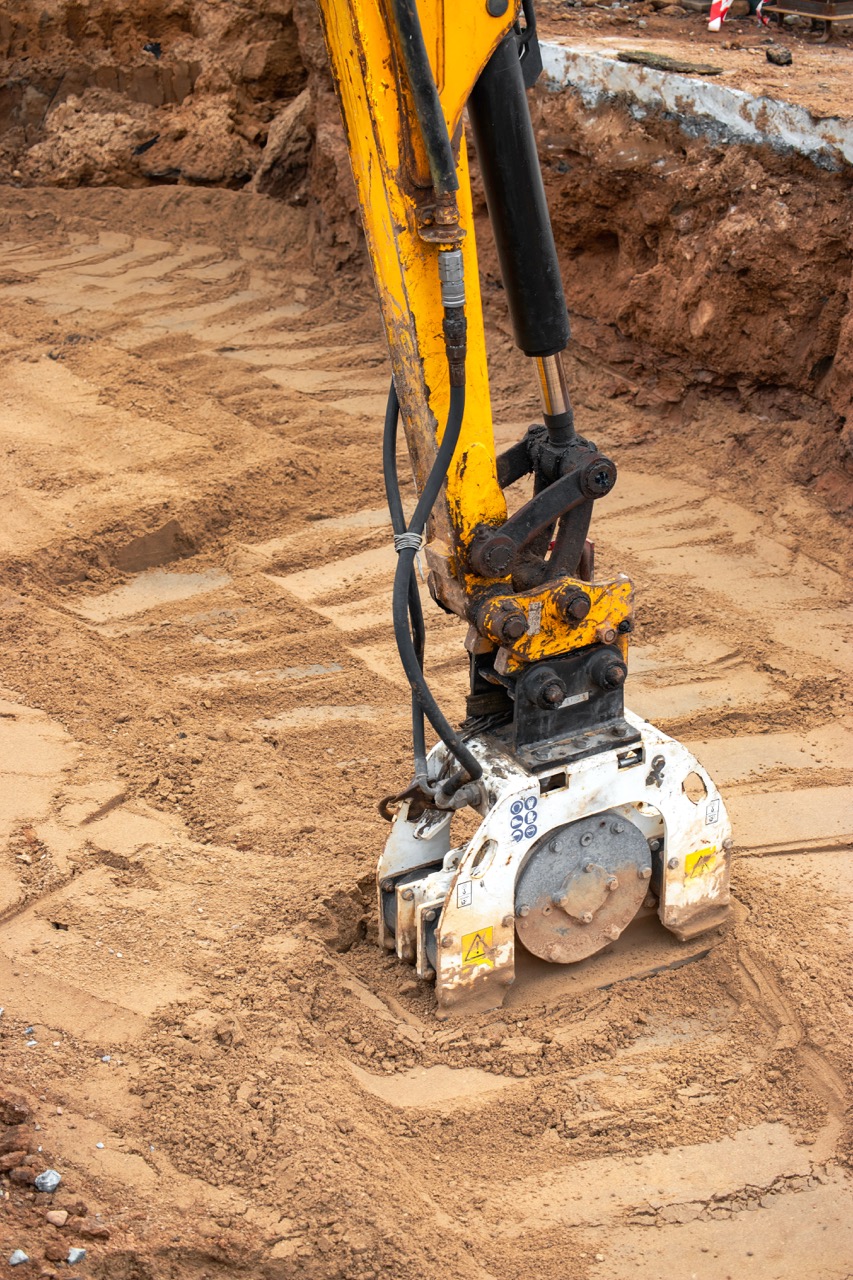
Compacting every lift of fill with padfoot and smooth drum rollers so the pad holds grade under the weight of the structure.
GPS-Guided Grade Control
Benchmark Base & Rover technology guiding every cut and fill pass to certified tolerances for accurate, inspection-ready finished grade.
Subgrade Preparation
Removing organic material, soft spots, and unsuitable soil beneath the pad before any fill is placed.
Pad Drainage and Slope Establishment
Grading the pad and surrounding ground so water sheds away from the foundation, not toward it.
Why a Properly Built Pad Matters for Your Structure
Every wall, floor, and roof line your builder puts up sits on the pad that was graded and compacted beneath it. Compaction and grade done right at the pad stage means the structure above it stays where it was built.
- A pad that wasn’t compacted settles unevenly. Cracked foundations, sloping floors, doors that won’t close.
- Fill placed in one lift instead of compacted layers consolidates over years. Slow, uneven settling that shows up as structural damage.
A pad graded without proper drainage sends water under the foundation. Moisture weakens the footing soil and the slab above it.