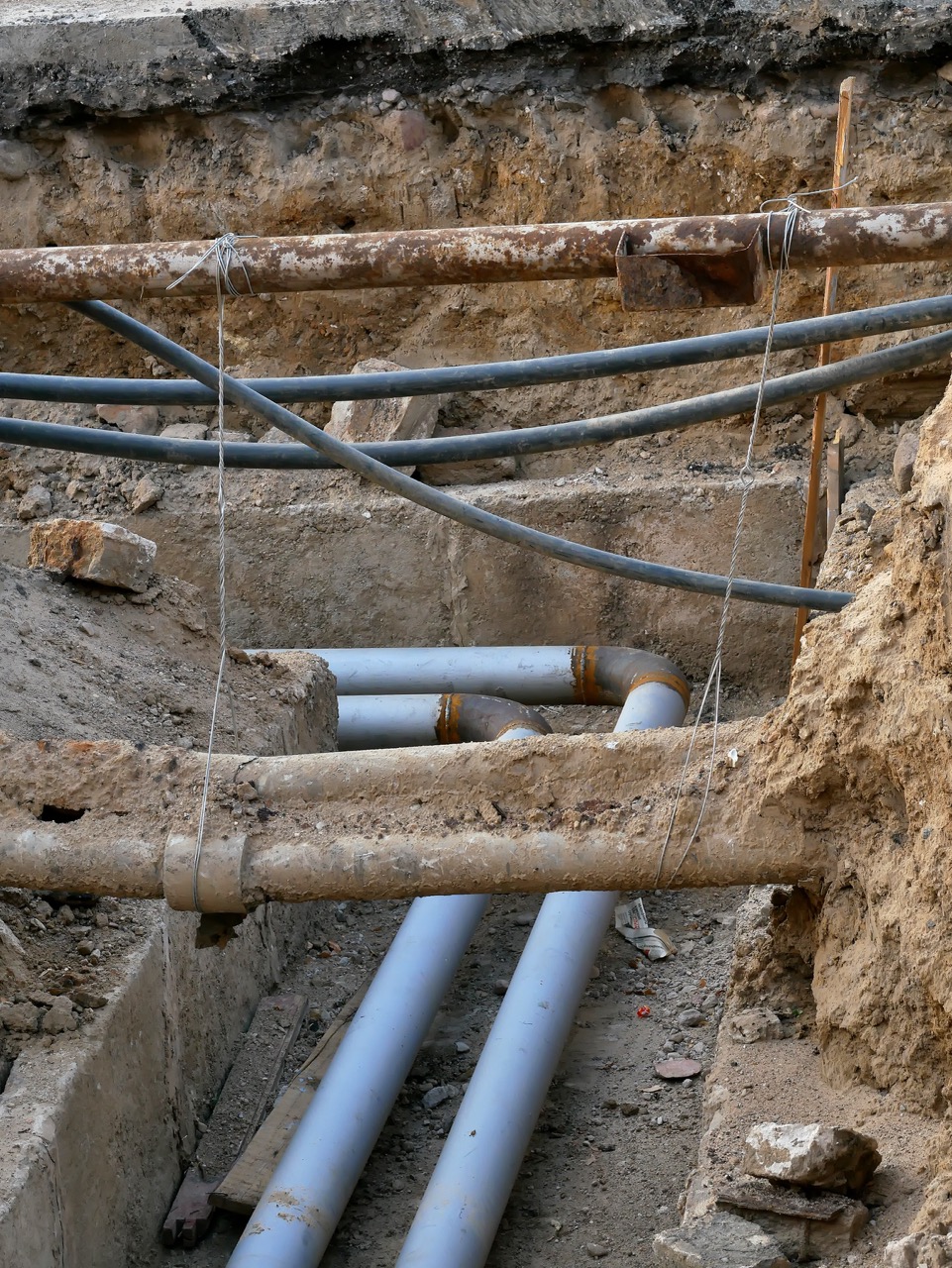
Underground Utility Installation for Residential and Commercial Properties Across Middle Tennessee
Water lines, sewer, electric, gas, and communications run from the source to the structure, for new home builds on raw land, commercial sites, and subdivision development where buried services are part of a larger site work scope.
Utility Runs on Raw Land Home Sites
- Properties where water, sewer, electric, or gas lines need to be trenched from the road or property line to the build site
- Long utility runs across rural acreage where the house site sits hundreds of feet or more from existing infrastructure
- Trenching coordinated with clearing, grading, driveway, and septic as part of a single site work contract
Commercial and Subdivision Utility Corridors
- Full utility corridor networks for subdivision development, commercial sites, and multi-building projects
- Water, sewer, electric, and communications trenched and installed to engineering specs across multiple lots
- Utility work coordinated with road construction, grading, and drainage infrastructure
Utility Work on Existing Properties
- New utility lines for additions, outbuildings, guest houses, or shops on established properties
- Replacing old or failed buried lines that need to be excavated and re-run
- Trenching coordinated with other site improvements already in progress
Subcontracted Utility Trenching for Builders and GCs
- Underground utility trenching and installation subcontracted by builders and general contractors
- Utility corridors delivered to your specs and timeline, coordinated with your foundation and plumbing schedule
- Insurance, bonding, and documentation available for pre-qualification
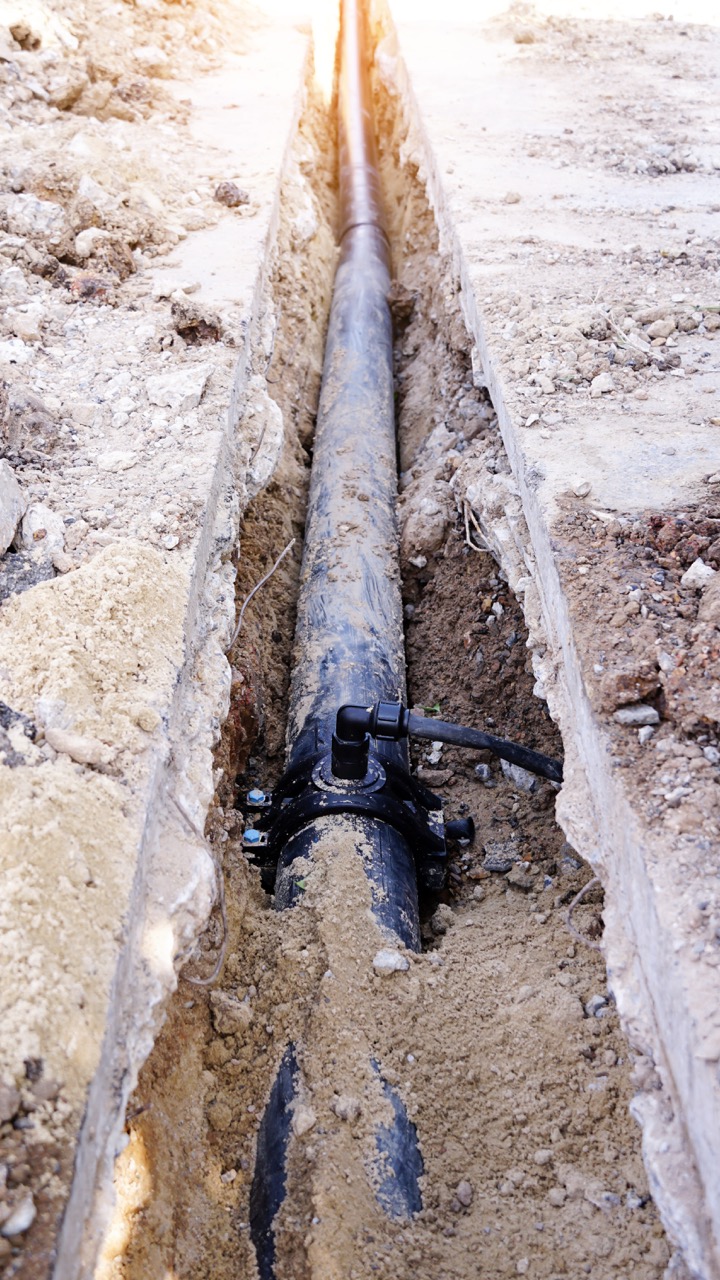
Underground Utility Work on Middle Tennessee Ground
The geology across Humphreys, Dickson, and Hickman counties puts rock and clay between the utility source and the structure it serves.
- Limestone at shallow depth turns a straightforward trench into rock excavation without the right equipment
- Clay soil shifts seasonally, putting pressure on buried lines and joints
- Long runs across hilly terrain require grade control so gravity-fed lines maintain proper fall from end to end
What Underground Utility Installation Covers
Utility Trenching
Excavating trenches to the depth, width, and grade each utility type requires, from shallow electric runs to deep water and sewer lines.
Water Line Installation
Trenching and installing water supply lines from the meter, well, or main to the structure.
Sewer and Drain Line Installation
Trenching and laying sewer and drain lines at the grade needed for proper flow to the septic system or municipal connection.
Electric and Communications Conduit
Trenching and placing conduit for buried electric, phone, cable, and fiber runs from the service point to the structure.
Backfill and Compaction Over Utility Lines
Backfilling trenches in lifts and compacting over buried lines so the surface holds grade and the lines stay protected.
Why Proper Utility Installation Matters for Your Property
Every utility your home or building depends on runs through the ground that was trenched and backfilled beneath it. Trench it right, bed it right, backfill it right, and the utilities do their job underground where you never have to think about them.
- Lines trenched without proper grade don’t flow correctly. Sewer and drain lines that lose fall create backups and standing water in the pipe.
- Trenches backfilled without compaction settle and create surface depressions. The ground above the line sinks, collects water, and exposes the problem below.
- Utility runs through rock that aren’t bedded properly put stress on the pipe. Rock points and uneven bedding crack lines and joints over time.